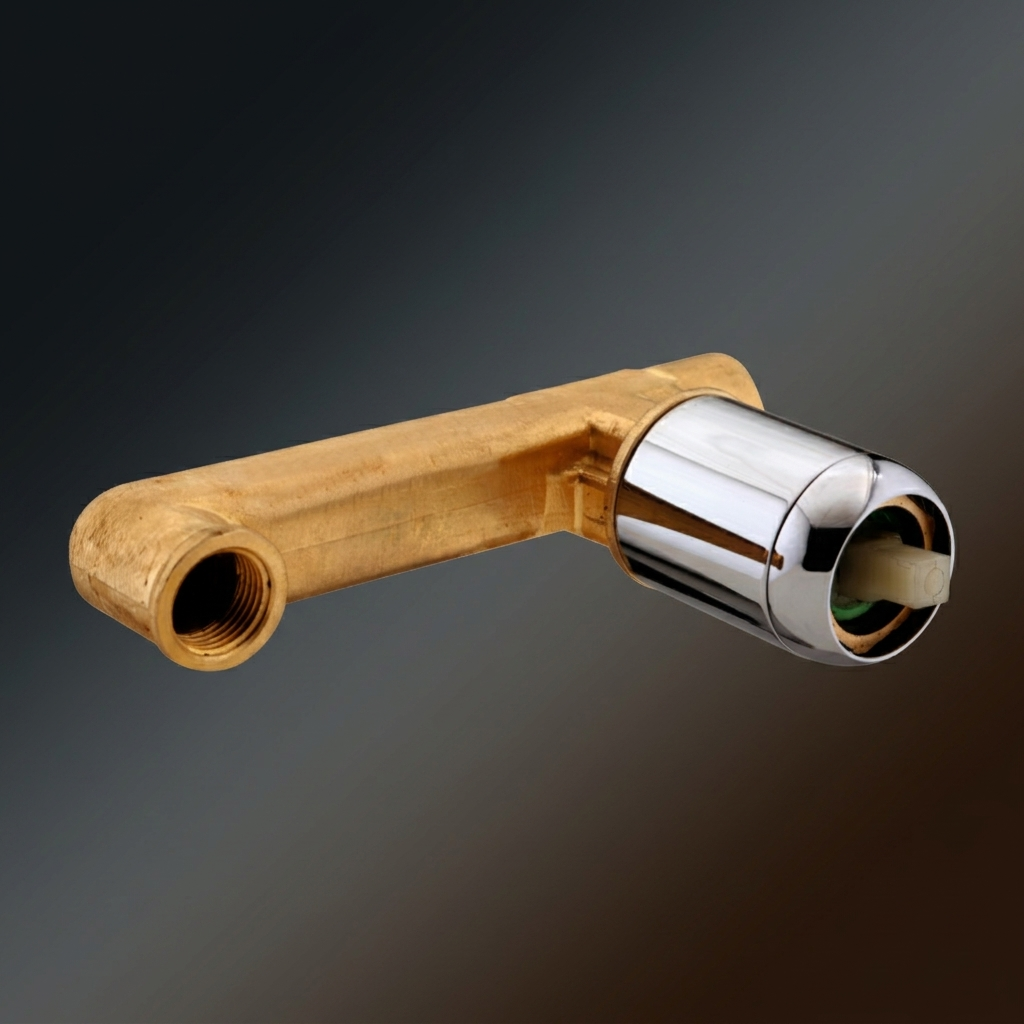
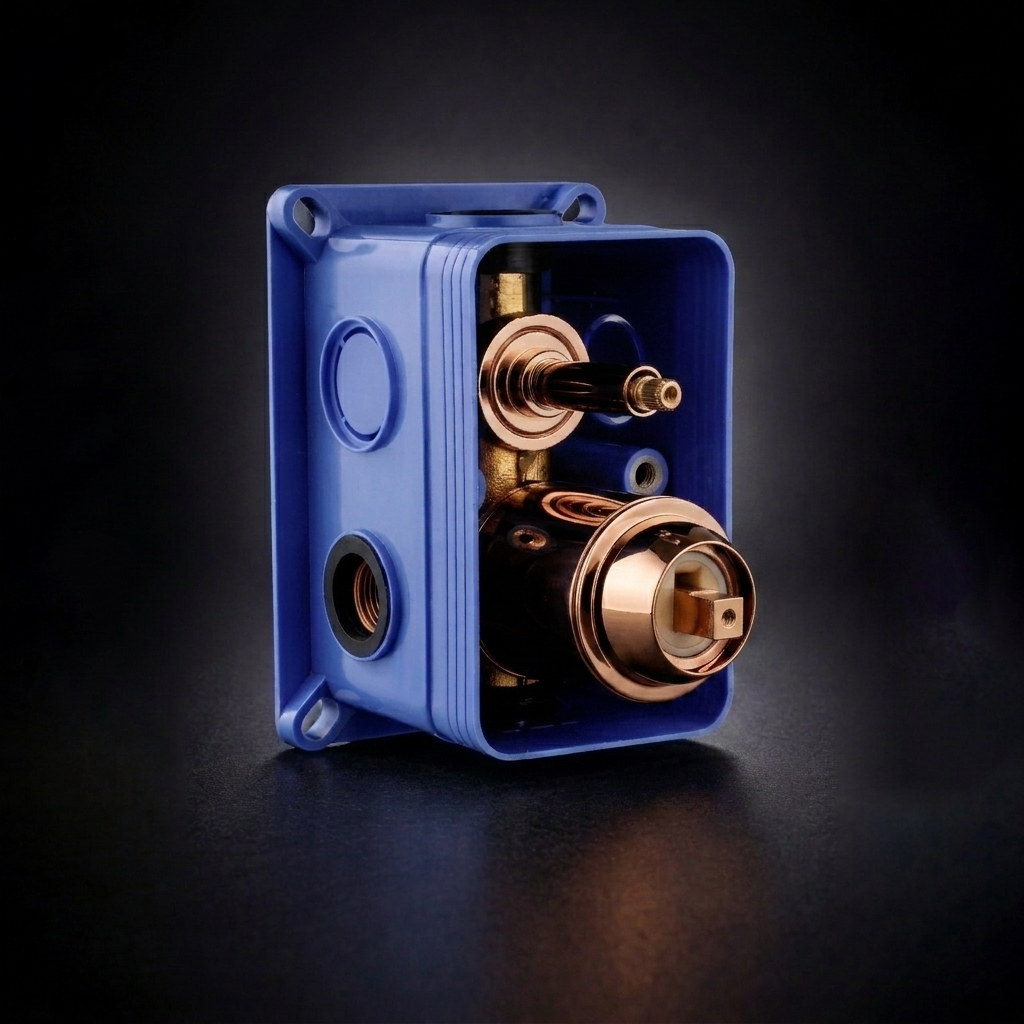
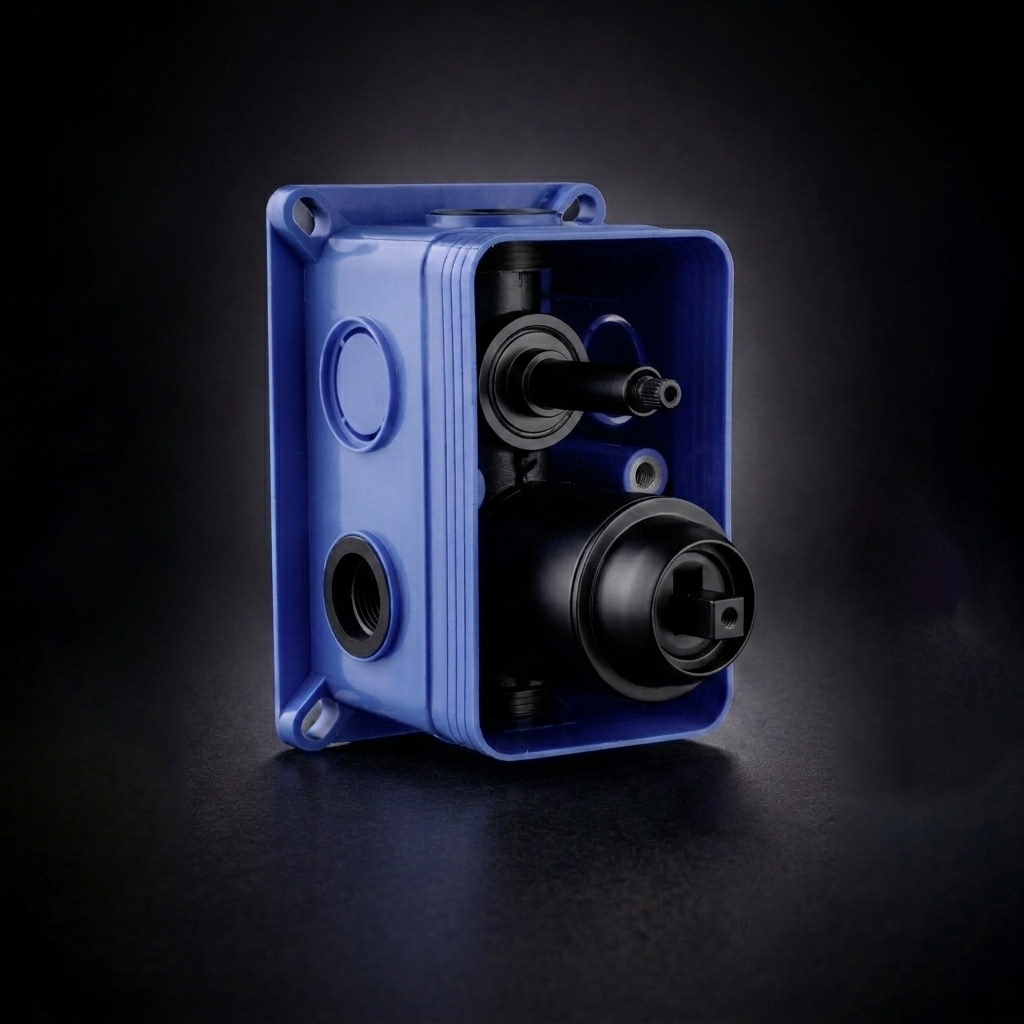
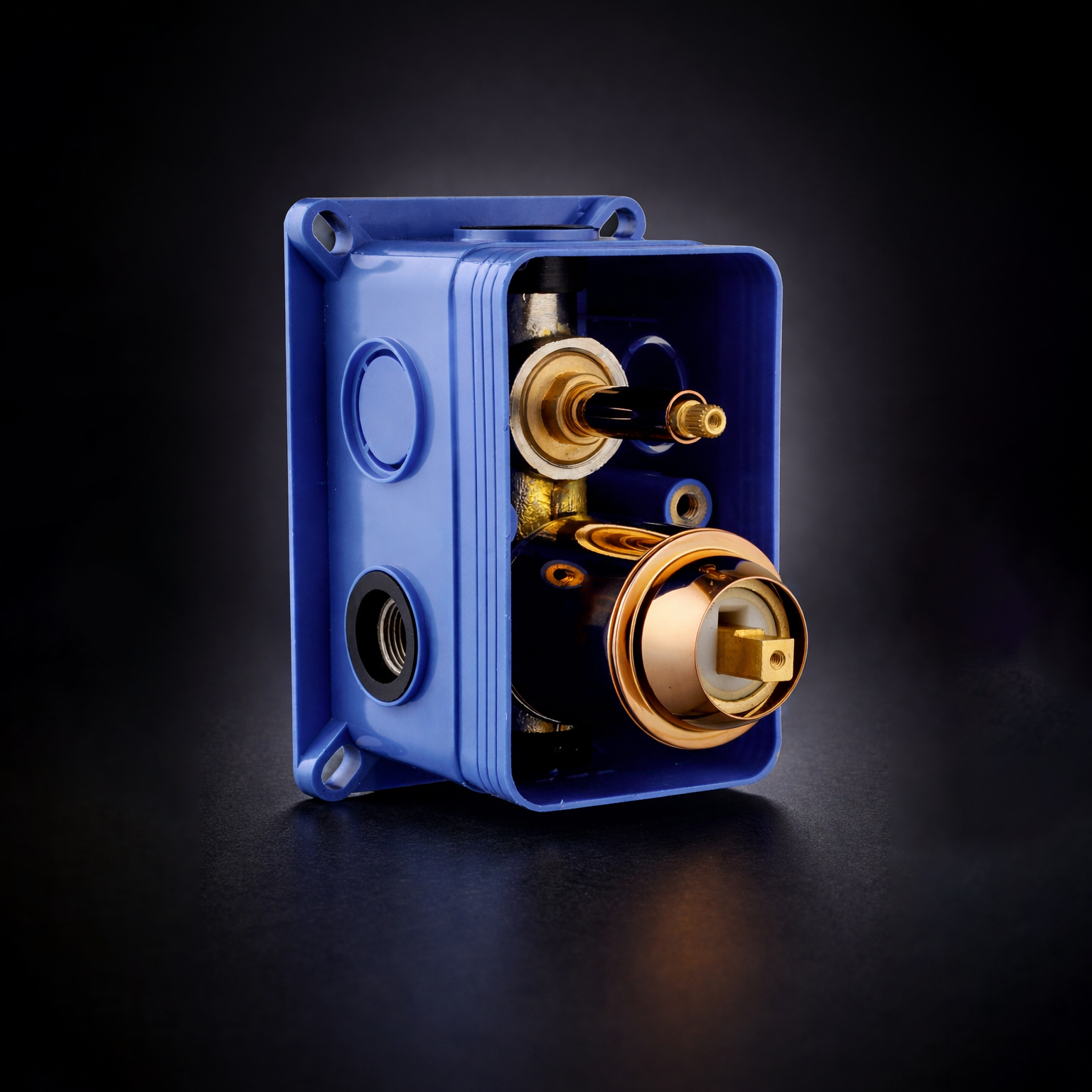
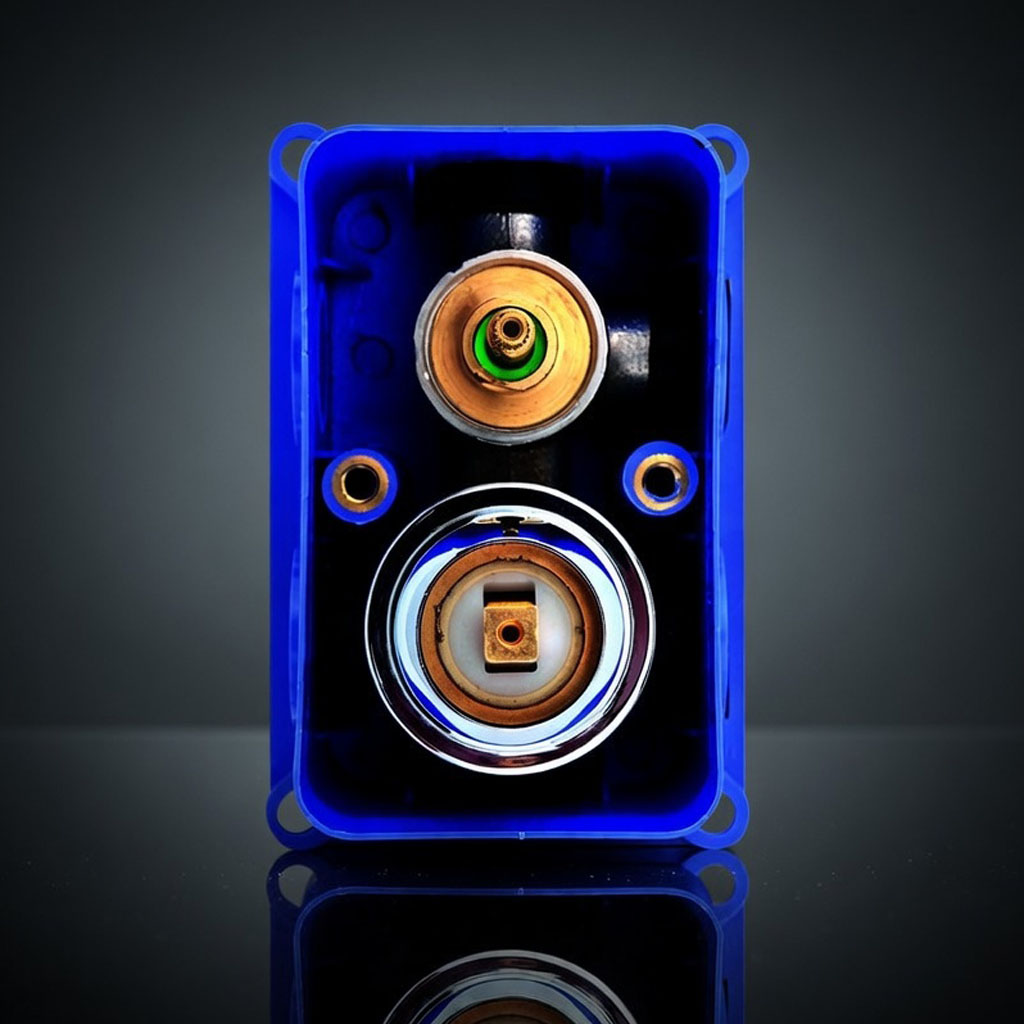
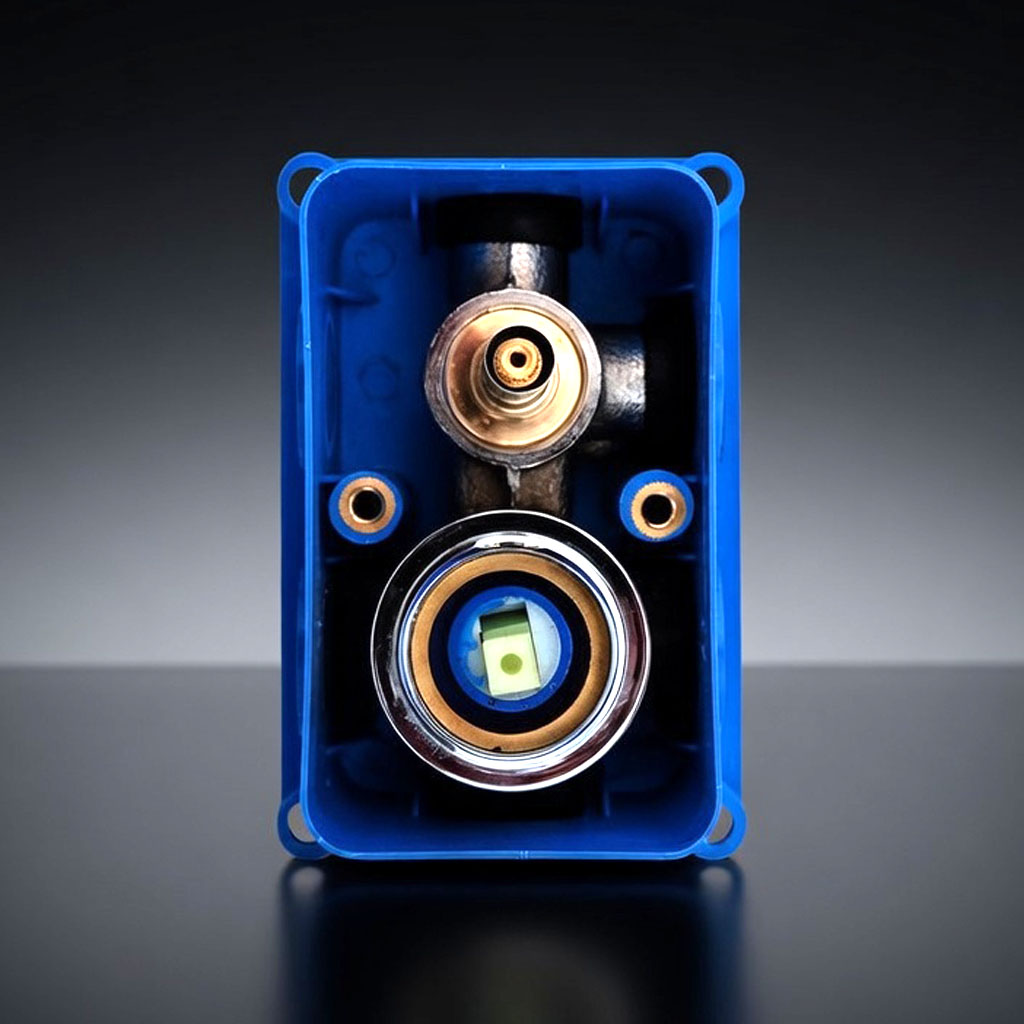
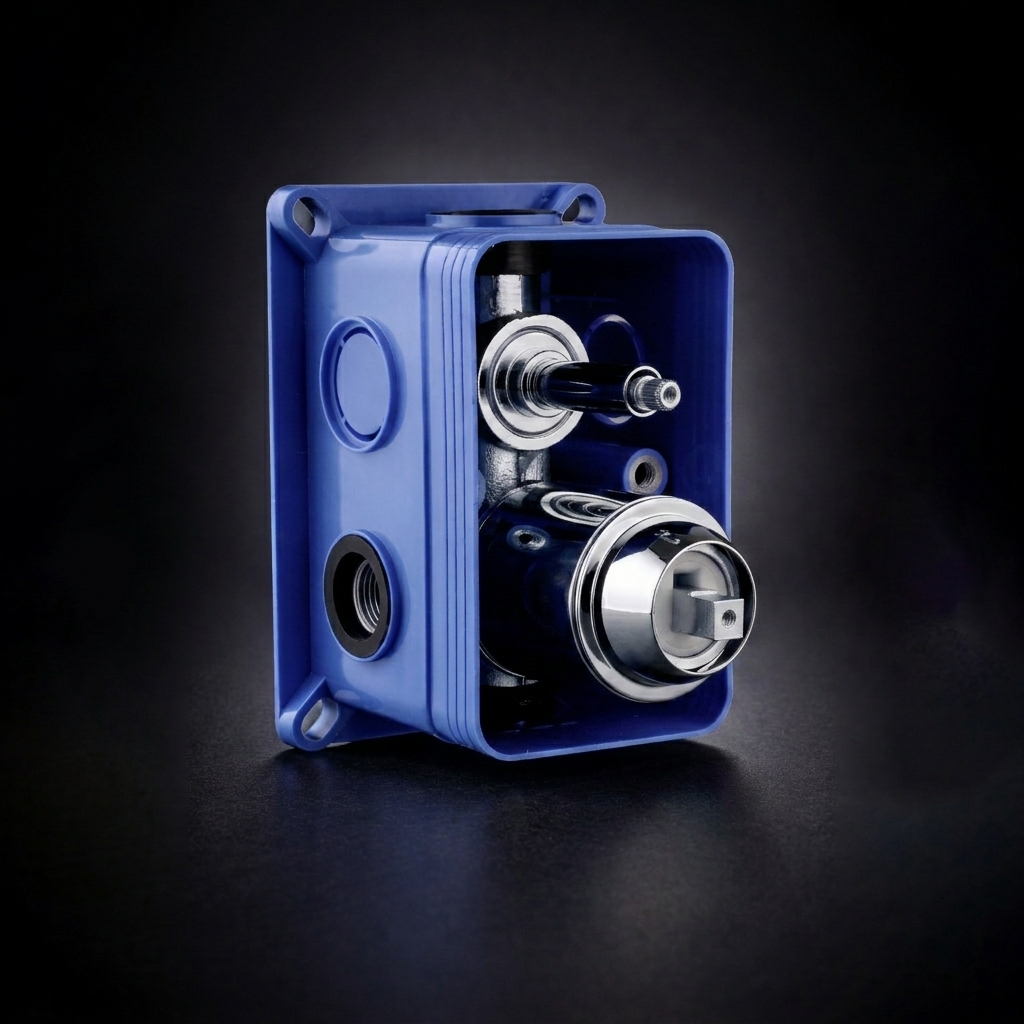
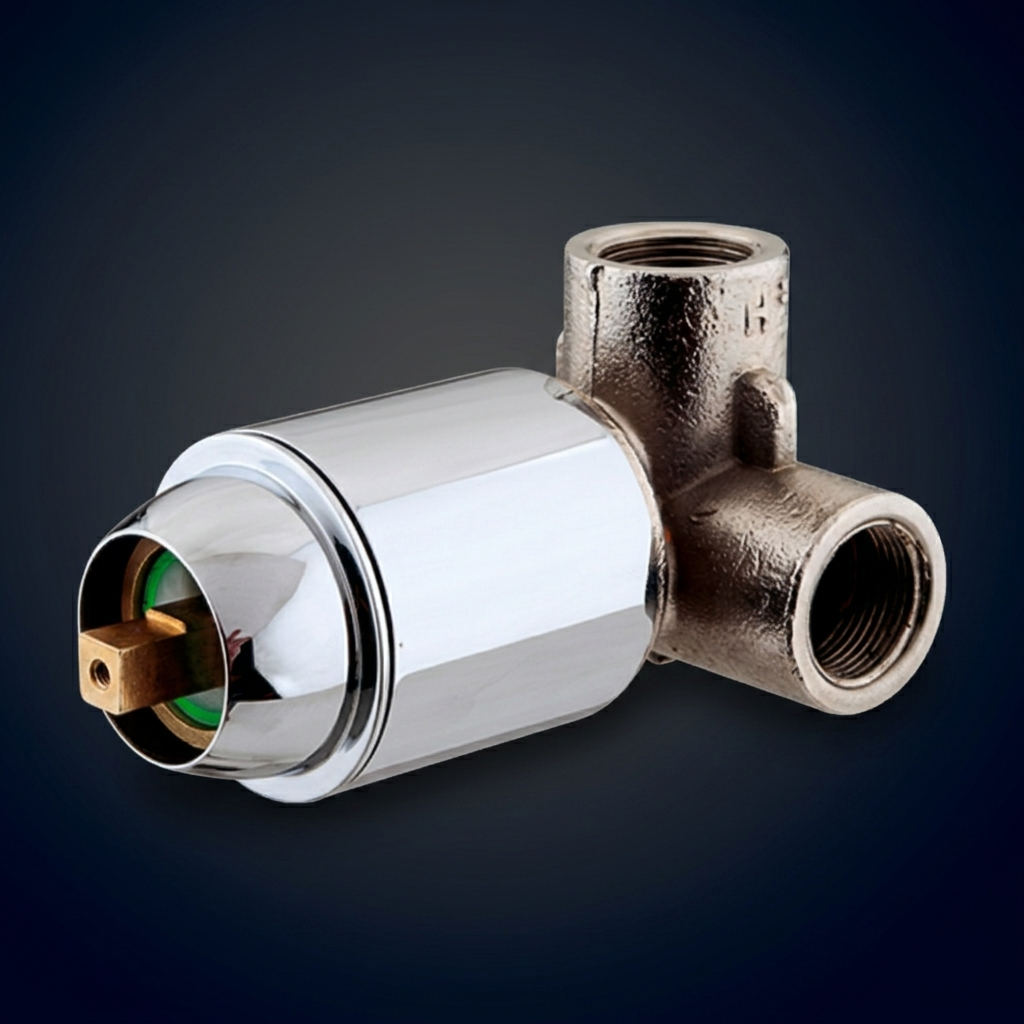
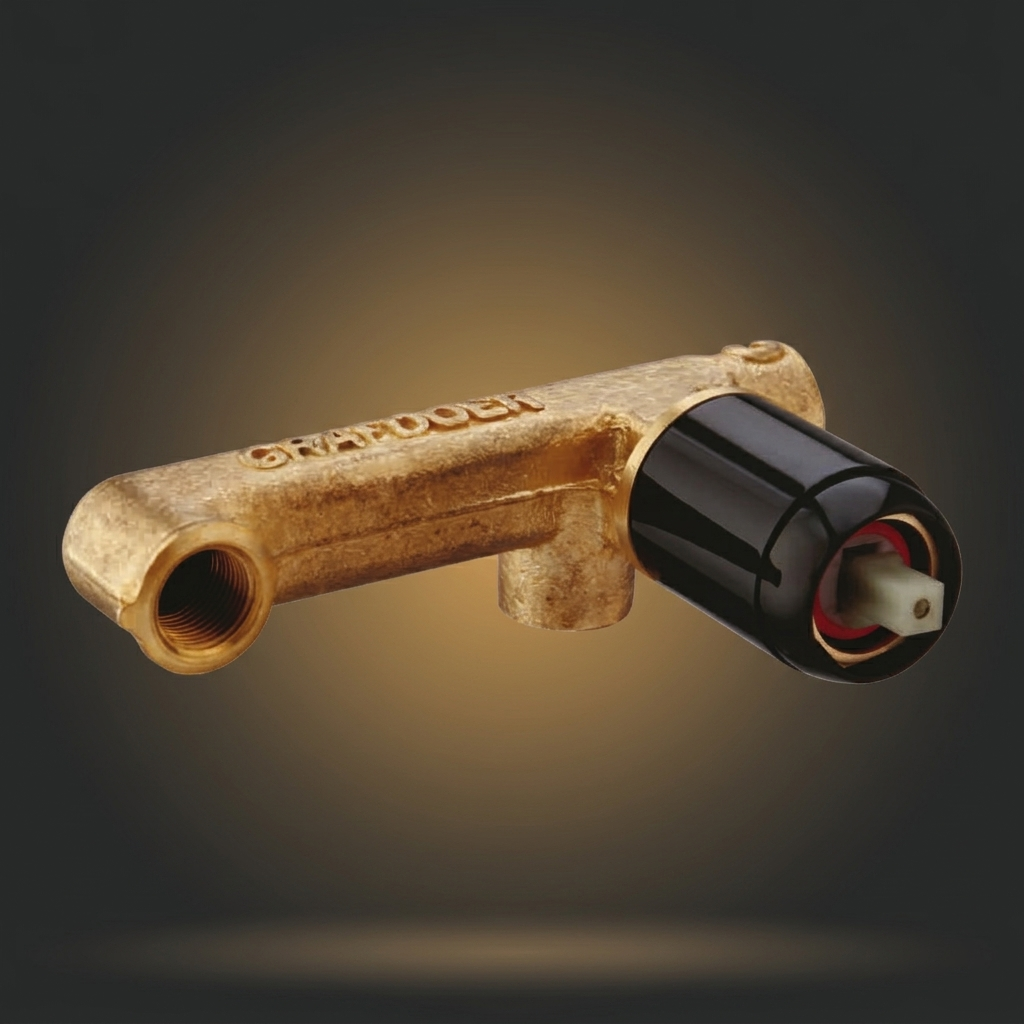
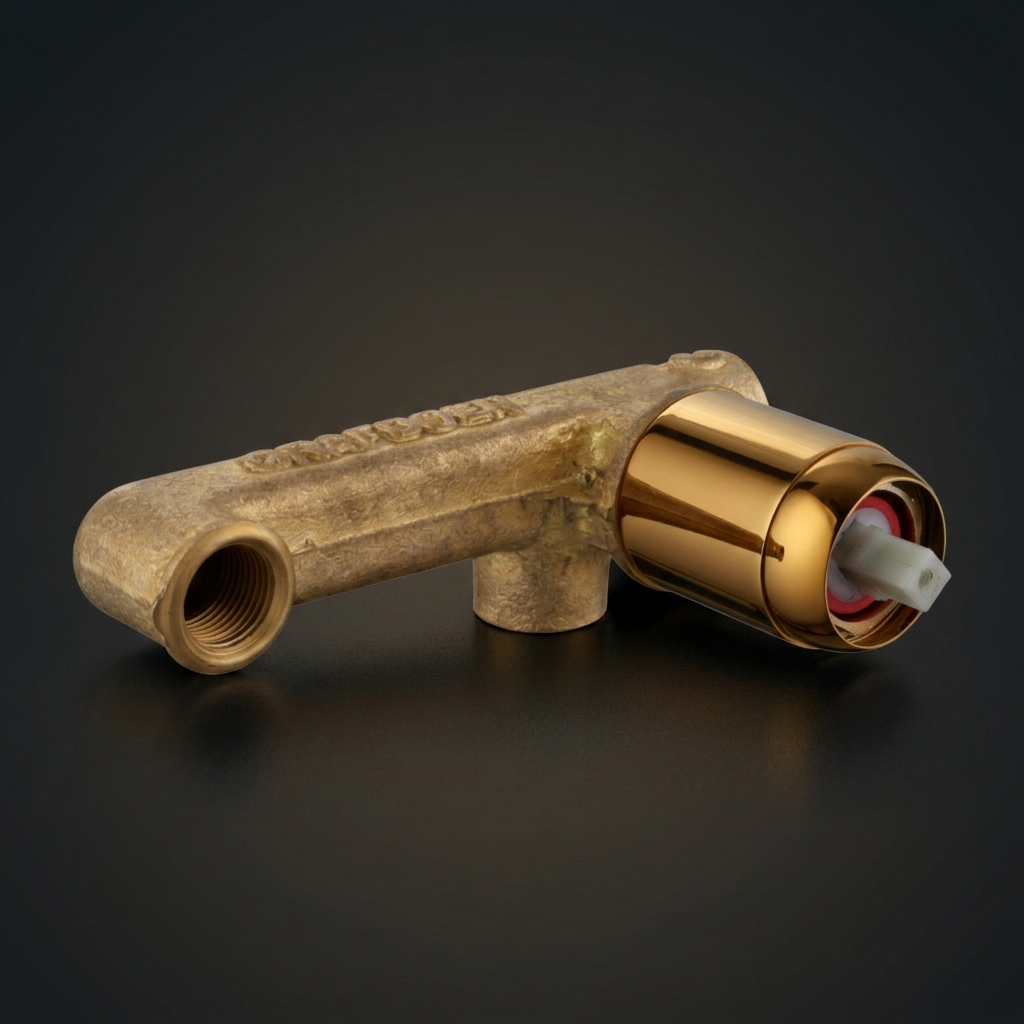
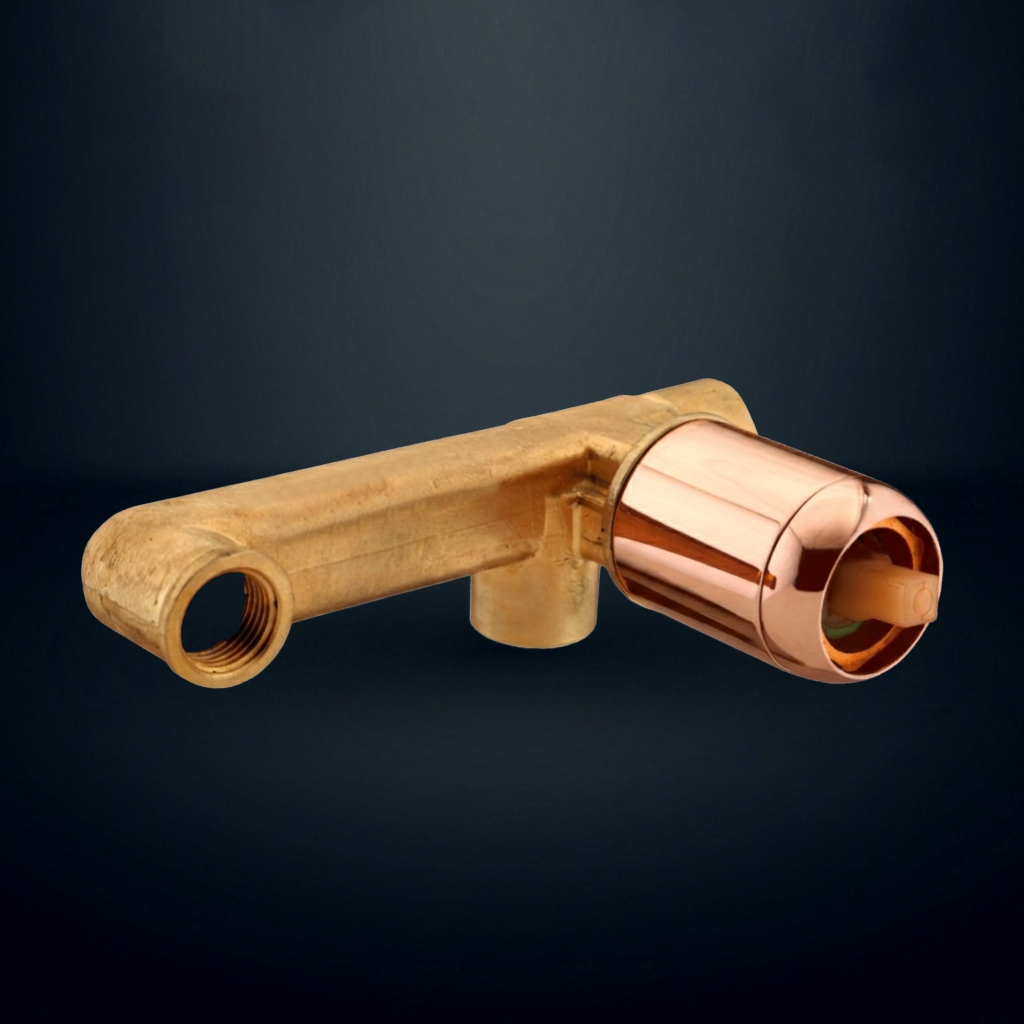
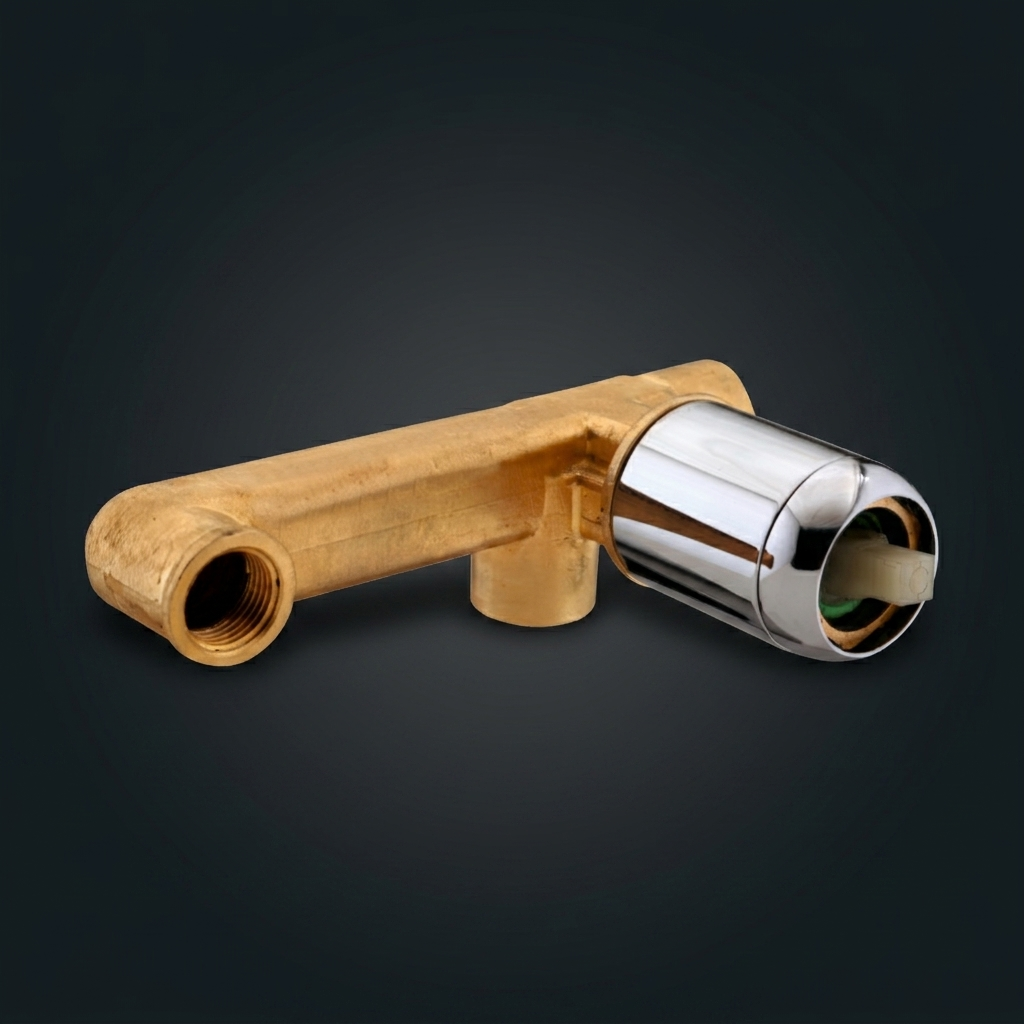
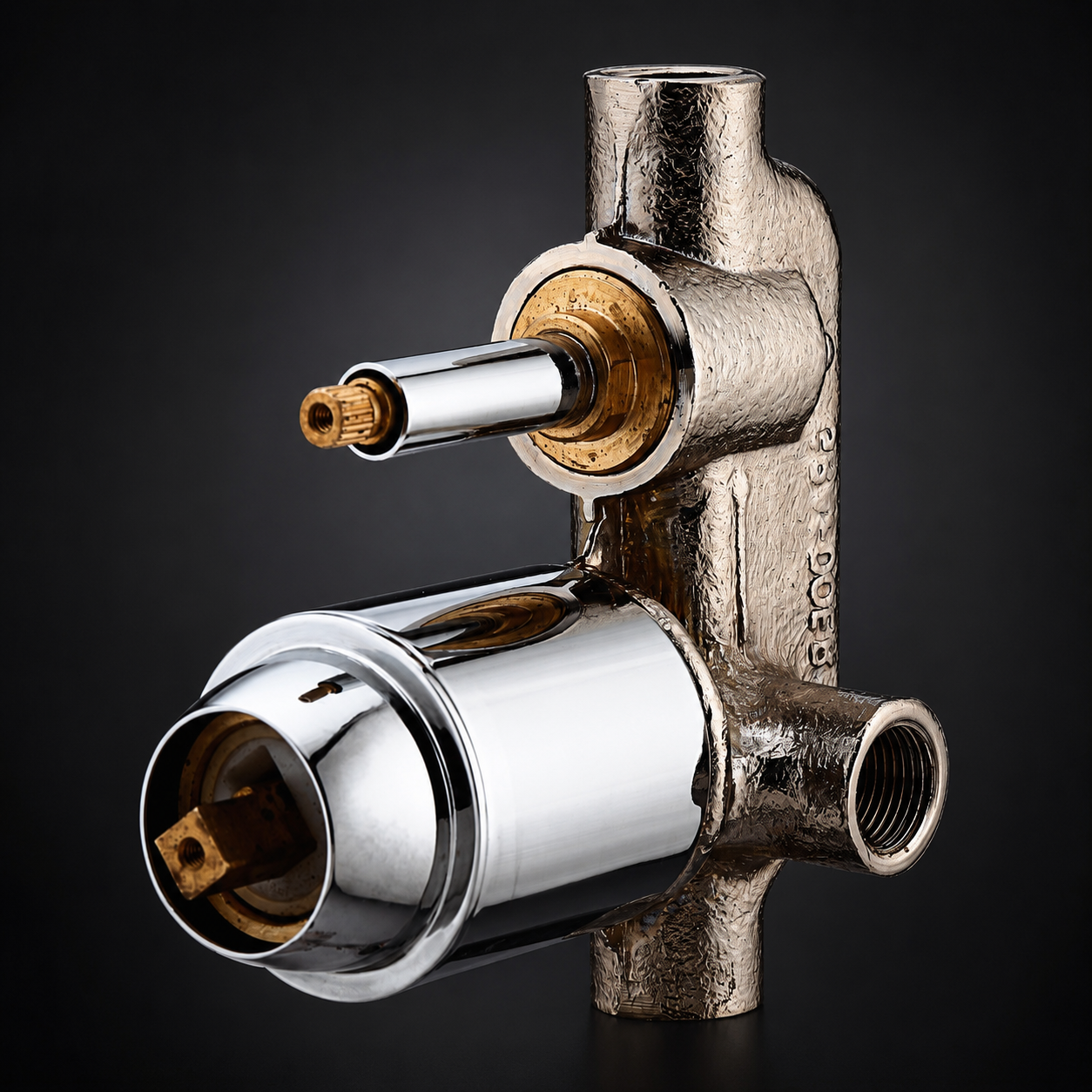
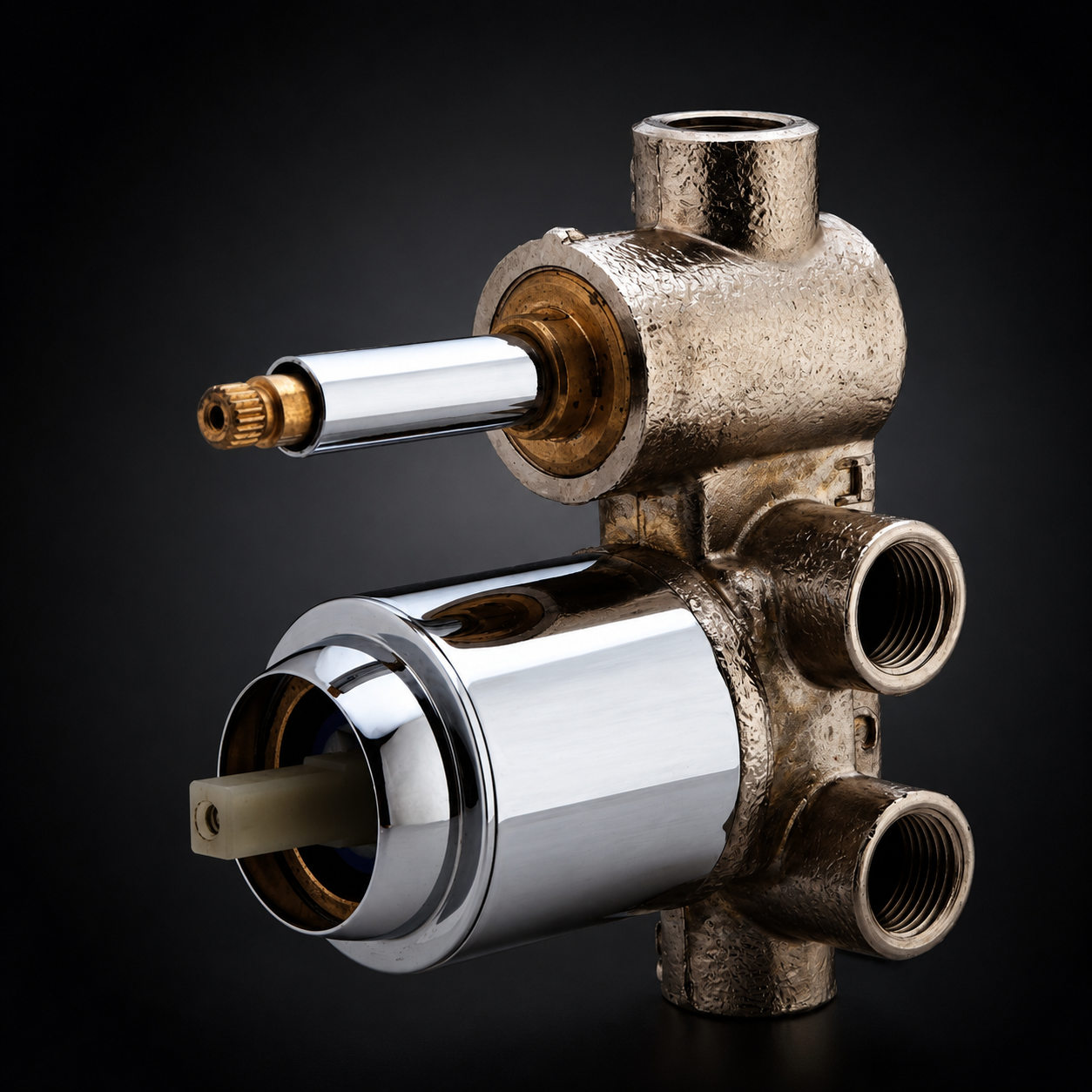
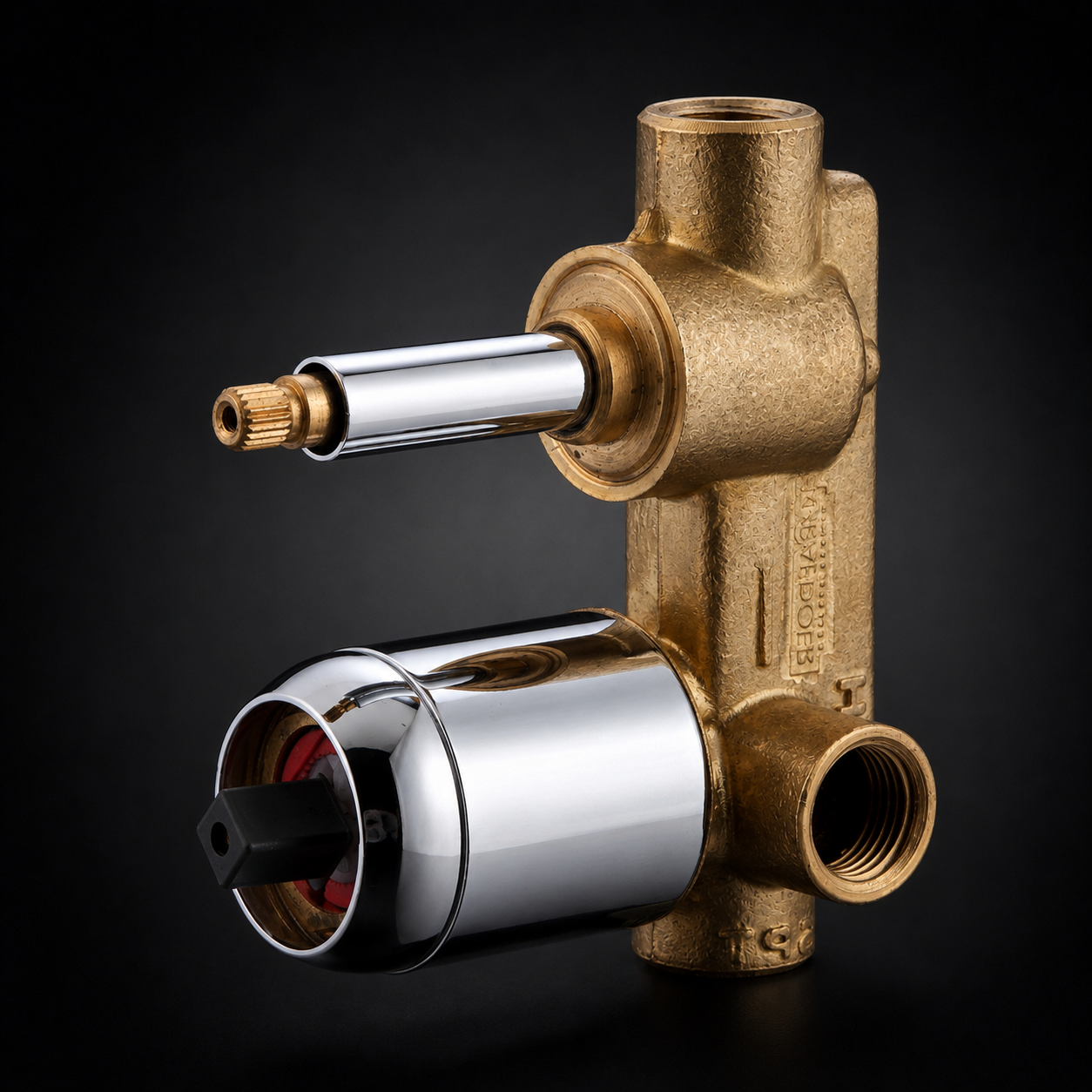
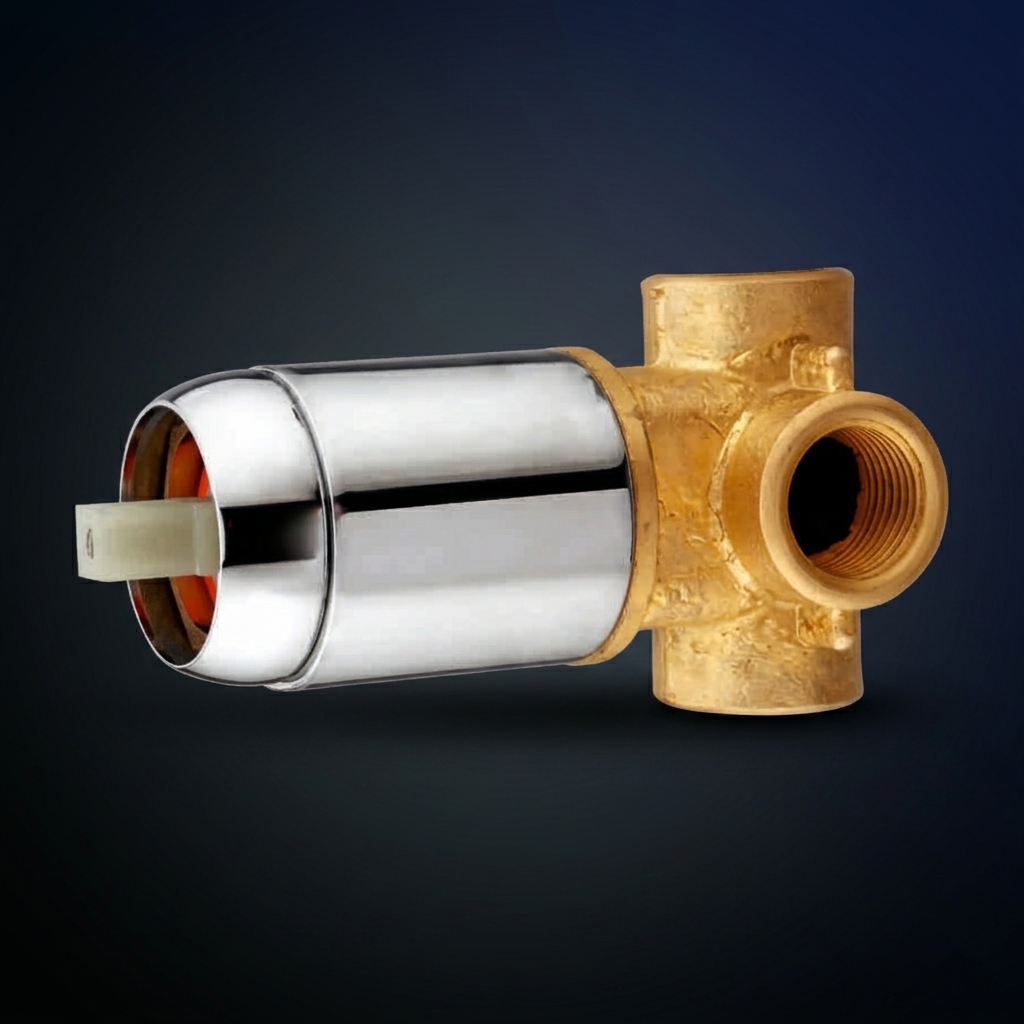
Grafdoer Diverter premium water diverter for seamless switching between shower and tap with durable construction

Diverter

Recently Viewed Products

No recently viewed products to display

Diverter for Bathroom: Complete Guide to Types & Uses

A diverter is a plumbing valve that redirects water flow between two or more outlets — typically a shower head, a hand shower, and a bath spout — using a single control. Instead of having separate taps fight for the same water line, one diverter lets you switch the flow exactly where you want it, with a twist of a knob or the flick of a lever.If you've ever stood in a bathroom wondering why water was coming out of the overhead shower when you wanted the hand shower instead, you've already met a diverter — you just didn't know its name.This guide covers everything you need before choosing one: how a diverter works, the different types available in India (2 way diverter, 3 way diverter, 4 way diverter, single lever diverter, thermostatic diverter), and how to pick the right diverter fitting for your bathroom.

How a Diverter Works

Inside every diverter is a small internal mechanism — usually a ceramic disc, cartridge, or ball valve — that blocks or opens specific water paths depending on the position you set it to. Turn the diverter handle or pull the knob, and water is physically redirected from one outlet to another. There's no electronics involved in most residential models; it's pure mechanical engineering, which is why a good-quality diverter valve can last many years with minimal maintenance.

Diverter vs. Regular Tap — What's the Difference?

A regular tap has one job: control the flow of water from a single outlet. A diverter's job is different — it decides which outlet gets the water in the first place. In a bathroom with a bathtub, an overhead shower, and a hand shower, you'd need three separate taps without a diverter. With one, a single control point manages all three.

Why Every Modern Bathroom Needs a Diverter

Convenience and Water Control

Think of a diverter as a traffic signal for your plumbing. Without it, every fixture in your bathroom would need its own tap and its own on/off point, which gets clunky fast — especially in bathrooms with a bathtub, rain shower, and hand shower all sharing one water line. A diverter in bathroom setups consolidates all of that control into one point, which is why almost every mid-to-premium Indian bathroom now specifies a diverter mixer at the plumbing stage itself, not as an afterthought.

Water Saving Benefits

Because a diverter only sends water to one (or two, in some models) outlets at a time, you avoid the wastage that comes from multiple taps left partially open. Combined with aerator-fitted spouts, a well-chosen diverter can meaningfully cut down water usage during daily baths - something worth factoring in given how many Indian cities now face seasonal water restriction

Types of Diverters for Bathrooms

Not all diverters do the same job. Here's a breakdown of the common types you'll come across.

2-Way Diverter

A 2 way diverter switches water between two outlets - most commonly a bath spout and an overhead shower, or a bath spout and a hand shower. It's the simplest configuration, and it's ideal for compact bathrooms that don't need multiple shower points.

3-Way Diverter

A 3 way diverter manages three outlets - typically hand shower, overhead shower, and bath spout - giving you the flexibility to run one or, on many models, two outlets simultaneously. This is currently the most popular diverter type in Indian urban bathrooms because it balances functionality with everyday practicality.

4-Way Diverter

A 4 way diverter is built for larger, more feature-rich bathrooms with rain showers, body jets, hand showers, and bath spouts all on one system. These are common in premium apartments, villas, and hotel-style bathrooms where multiple water experiences are needed from a single control panel.

Single Lever Diverter

A single lever diverter uses one ergonomic lever to control both flow direction and, in many models, water temperature by mixing hot and cold lines. It's the most common style in mid-range and premium fittings today because of how intuitive it is - push, pull, or rotate one handle instead of juggling separate temperature and diverter knobs.

Thermostatic Diverter

A thermostatic diverter goes a step further than a standard single lever diverter - it maintains a pre-set water temperature automatically, even if pressure fluctuates elsewhere in the building (someone flushing a toilet upstairs, for instance). This significantly reduces the risk of scalding, which makes it a popular choice for homes with children or elderly family members.

Diverter Spout

A diverter spout is a bath spout with a built-in diverter mechanism - usually a small pull-up knob on top of the spout itself. Pull the knob, and water redirects from the spout to the overhead or hand shower. It's a compact way to add diverter functionality without a separate concealed body, and it's especially popular in smaller bathrooms.

Diverter vs. Diverter Mixer - Are They the Same?

Not quite. A plain diverter only redirects flow between outlets - it doesn't control temperature. A diverter mixer combines two functions in one fitting: it mixes hot and cold water to a set temperature and diverts that mixed water to your chosen outlet. Most single lever and thermostatic diverters sold today are technically diverter mixers, even though "diverter" is the more commonly searched term.

Concealed vs. Exposed Diverter Fittings

FeatureConcealed DiverterExposed Diverter
InstallationBody fitted inside the wall; only the control plate is visibleFully visible, mounted on the wall surface
LookSleek, minimalistTraditional, easier to identify parts
Best forNew construction or full bathroom renovationRetrofits and quick upgrades
MaintenanceSlightly harder to accessEasy to access and repair
If you're renovating an existing bathroom without breaking walls, an exposed diverter fitting is usually the practical choice. If you're building from scratch, a concealed diverter gives you a cleaner finish.

How to Choose the Right Diverter for Your Bathroom

Number of Outlets You Need

Start by counting your fixtures. Just a bath spout and overhead shower? A 2-way diverter is enough. Have a hand shower too? Go 3-way. Planning a rain shower, body jets, and multiple shower heads? You'll want a 4-way diverter.

Bathroom Size and Plumbing Layout

Concealed diverters need wall depth for the body and piping - check with your plumber before finalising if you're not doing a full renovation. Compact bathrooms often do better with an exposed diverter or a diverter spout.

Finish and Design

Chrome remains the most popular and versatile finish for Indian bathrooms, but matte black, rose gold, and antique bronze finishes have grown considerably in the last few years for premium and designer bathrooms. Match the diverter's finish to your taps, shower heads, and hardware for a cohesive look.

Diverter Set - What's Usually Included

When you choose a diverter set, you're typically getting more than just the valve body. A standard diverter set includes:
  • The diverter body (concealed or exposed)
  • Control handle/lever and decorative wall plate
  • Mounting hardware and connectors
  • Installation instructions
Some premium diverter sets also bundle a hand shower, shower pipe, and wall bracket - worth checking for before you assume you'll need those separately.

Installation & Maintenance Tips

  • Always get a diverter installed by a licensed plumber, especially concealed models - incorrect wall chasing can cause leaks that are difficult to fix later
  • Flush new plumbing lines before connecting the diverter to clear out debris that could damage internal cartridges
  • Clean aerators and diverter knobs periodically, especially in hard-water regions common across much of India, to prevent mineral buildup
  • If a diverter starts leaking or the lever feels stiff, it's usually a worn cartridge, not the whole unit - cartridges can often be replaced without changing the entire fitting

Why Choose Grafdoer Diverters

Grafdoer builds its diverter range around a simple idea: reliable water control shouldn't mean choosing between good design and durability. Every Grafdoer diverter uses corrosion-resistant brass bodies and precision cartridges designed to handle the mineral content typical of Indian municipal and borewell water supplies.Whether you need a straightforward 2-way diverter for a compact bathroom or a full thermostatic diverter mixer for a premium master bath, Grafdoer's range covers 2-way, 3-way, and 4-way diverters, single lever diverters, and diverter spouts across multiple finishes - all backed by manufacturer warranty and a service network built for Indian households. If you're comparing diverters for bathroom options on design and long-term reliability, it's worth putting a Grafdoer diverter on your shortlist before you decide.

Frequently Asked Questions

What is a diverter used for in a bathroom?

A diverter redirects water flow between multiple outlets - like a shower head, hand shower, and bath spout - using a single control, instead of needing separate taps for each.

What is the difference between a diverter and a diverter mixer?

 A plain diverter only redirects water flow. A diverter mixer does that plus mixes hot and cold water to a set temperature before sending it to the chosen outlet.

Which diverter is best for a small bathroom?

For compact bathrooms, a 2-way diverter or a diverter spout is usually enough, since most small bathrooms only have a bath spout and one shower outlet.

What is a 3-way diverter used for?

A 3-way diverter controls three outlets - usually hand shower, overhead shower, and bath spout - letting you switch between them, and on many models, run two together.

Is a concealed diverter better than an exposed one?

Concealed diverters look sleeker since only the control plate is visible, but they need wall access during installation. Exposed diverters are easier to fit, especially during renovations.

How long does a diverter last?

A good-quality brass diverter with a proper cartridge typically lasts many years with basic maintenance, though hard water can shorten this if the fitting isn't cleaned regularly.

Conclusion

A diverter might be one of the smallest fittings in your bathroom, but it does one of the biggest jobs - deciding exactly where your water goes and how comfortable your daily shower feels. Whether you're outfitting a new bathroom or upgrading an old one, matching the right diverter type (2-way, 3-way, 4-way, single lever, or thermostatic) to your outlets and layout makes the difference between a fitting that frustrates you daily and one you forget is even there - in the best way.Ready to pick your diverter? Browse Grafdoer's full range of bathroom diverters, compare finishes and features, and find the right fit for your bathroom in a few clicks.