
Types of Wash Basins: How to Choose the Right Design for Your Bathroom
Table Of Content
Table of Contents
A wash basin is a very small item; yet, it has the power to totally transform your bathroom’s visual identity. The choice of a wash basin may appear purely aesthetic, but the reality is, that’s only one of the factors. The type of basin could greatly affect your usage and comfort. Like the space around the basin, how easy the area is to clean and even how spacious the room feels.
This is the reason that the very same basin can work well in one bathroom and look totally out of place in another.
If you’re looking for a basin for a new bathroom or replacing an existing one, understanding the different installation types can make the decision much easier. Let’s look at the most common options and what sets each one apart.
1. Countertop Wash Basins
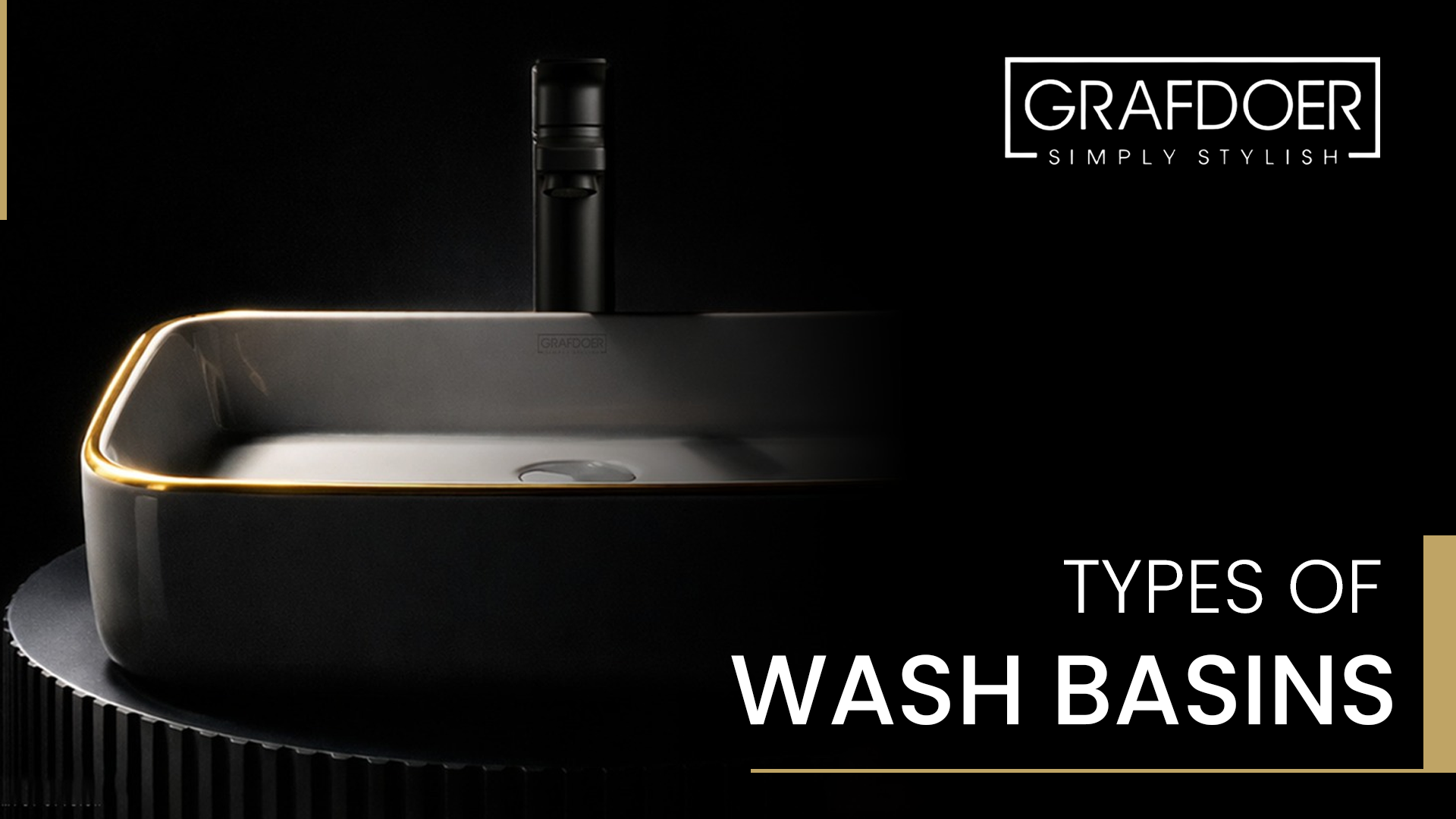
A countertop wash basin sits on top of the counter. The basin is fully visible above the surface and does not blend into the vanity.
Counter top wash basins are available in various designs such as oval, square and rectangular. And they are also available in versatile materials like glass, stone, marble, colored ceramic etc.
One of the biggest benefits is that they free up space inside the vanity since the bowl is just placed on top without occupying the internal area. The installation is also easier because only a small cutout is required for the drain pipe, rather than a large cut for the whole sink.
2. Wall-Hung Wash Basins
This type of wash basin is installed in the wall completely differently. Instead of being supported by a counter, or a pedestal connecting it to the floor, the basin is fastened directly to the wall surface.
This leaves the space underneath open, allowing the flooring to continue uninterrupted beneath the basin. It gives the bathroom a lighter appearance and can be particularly useful when the available space is limited.
What’s appealing about this basin arrangement is the simplicity of design.
3. Pedestal Wash Basins
The pedestal wash basin is one of the more familiar bathroom basin types. Here, the basin and pedestal work together as a single arrangement, with the pedestal extending all the way down to the floor.
The main function of the pedestal is supporting the basin and, at the same time hiding the plumbing behind it so that the whole fixture looks very clean with no pipes hanging around. Because there is no separate countertop or vanity underneath, the whole unit is rather self contained. This means they take up less floor space, which works particularly well for smaller bathrooms.
4. Half-Pedestal Wash Basins
A half-pedestal wash basin brings together elements of a wall-hung basin and a traditional pedestal design.
The basin is mounted to the wall, while a shorter pedestal sits underneath it to conceal the plumbing. Unlike a full pedestal, however, this section ends before reaching the floor.
That small structural difference gives the basin an entirely different presence. The plumbing remains covered, but the floor beneath the basin stays visible. This makes mopping and cleaning much easier as you don’t have to deal with any hidden corners and awkward angles.
5. Under-Counter Wash Basins
The under-counter wash basin creates a completely different relationship between the basin and countertop. This basin is installed beneath the countertop, rather than sitting above it.
The counter extends around the basin opening, leaving the basin tucked neatly underneath the surface.
Under counter wash basins create a sleek and premium look, commonly found in hotels and upscale residential bathrooms.
6. One-Piece Wash Basins
A one-piece wash basin takes integration a step further by bringing the basin and its supporting structure together into one complete unit.
There are no separate basins and support elements competing for attention. Instead, the entire form is designed to work as a single piece, creating a cohesive appearance from top to bottom.
This makes the one-piece design distinct from arrangements where the basin, counter, pedestal or support are chosen separately. Everything belongs to the same overall form, giving the bathroom a more unified look.
Choosing Between Different Types of Wash Basins
The placement of a wash basin which, although represents only a small part of the bathroom, can often affect the whole bathroom appearance. Proper installation can give the impression of a larger area, enhance the appearance of the vanity unit or simply make everyday routine more convenient.
Instead of choosing based on appearance alone, look at how the basin will work with your space and routine. When those details come together, the right basin tends to feel like it was always meant to be there.
With a diverse range of wash basins across these installation types, Grafdoer gives you the freedom to choose a design that works beautifully for your bathroom.
-
 October 1, 2026
Types of Toilets: A Simple Guide to Choosing the Right One
-
September 30, 2026
Bathroom Fittings Buying Guide: What to Consider Before You Buy
-
September 22, 2026
Types of Wash Basins: How to Choose the Right Design for Your Bathroom


